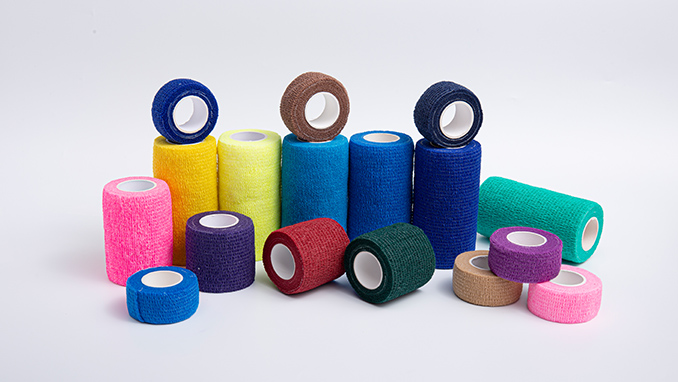
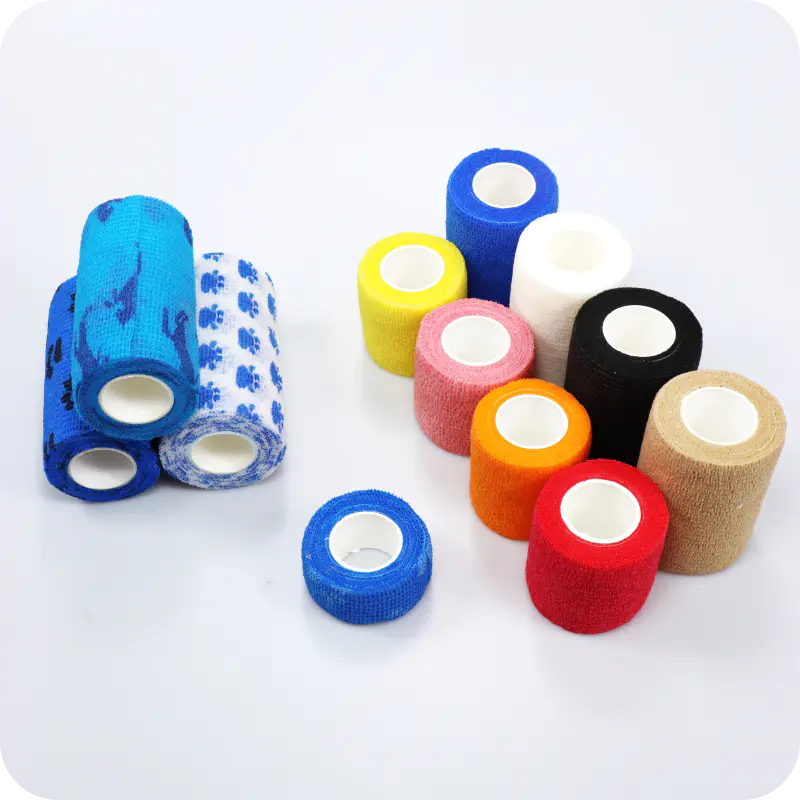
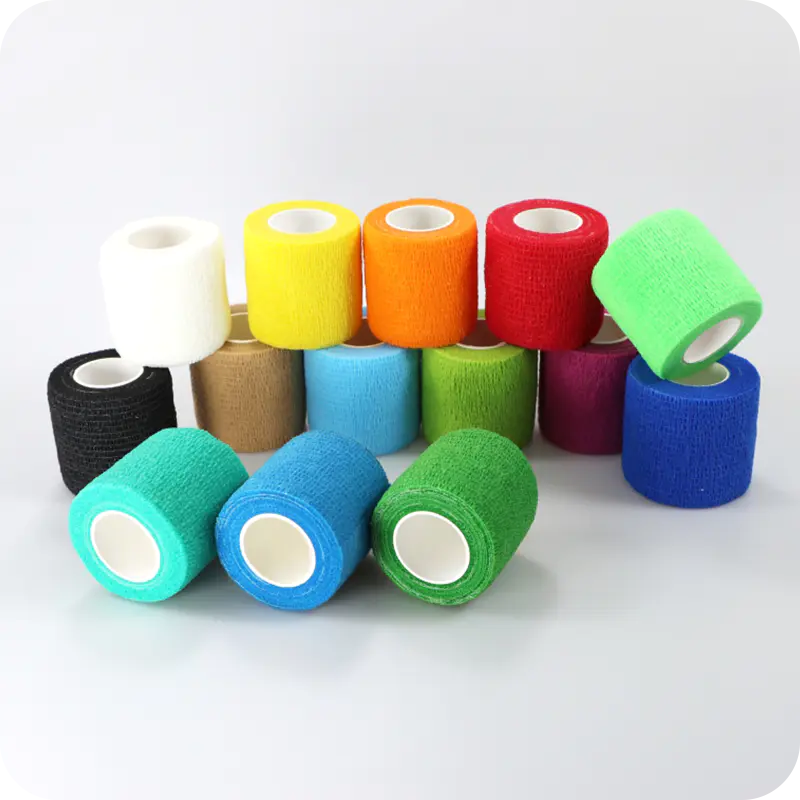
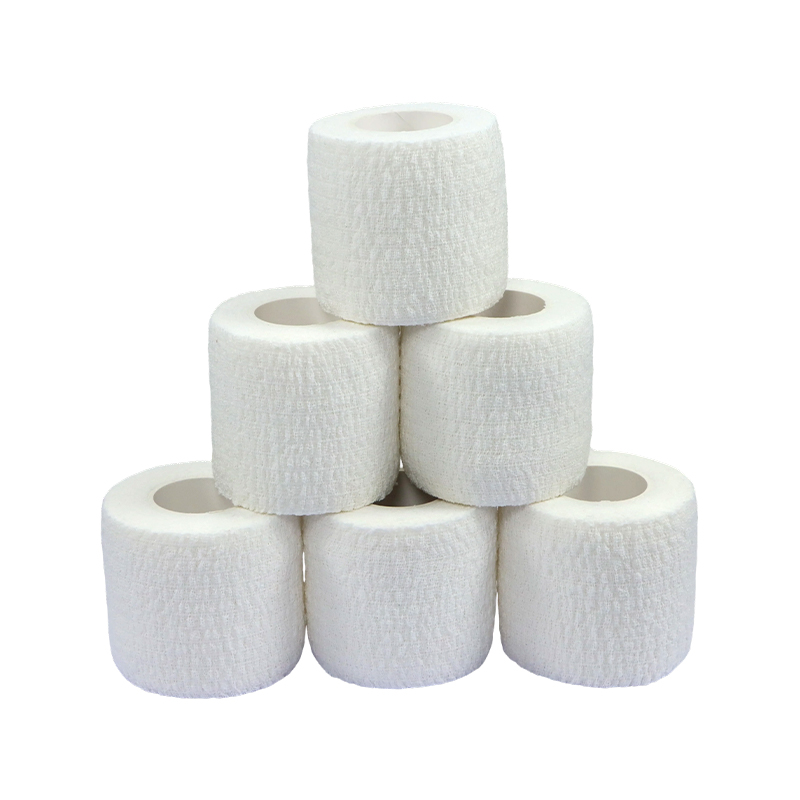
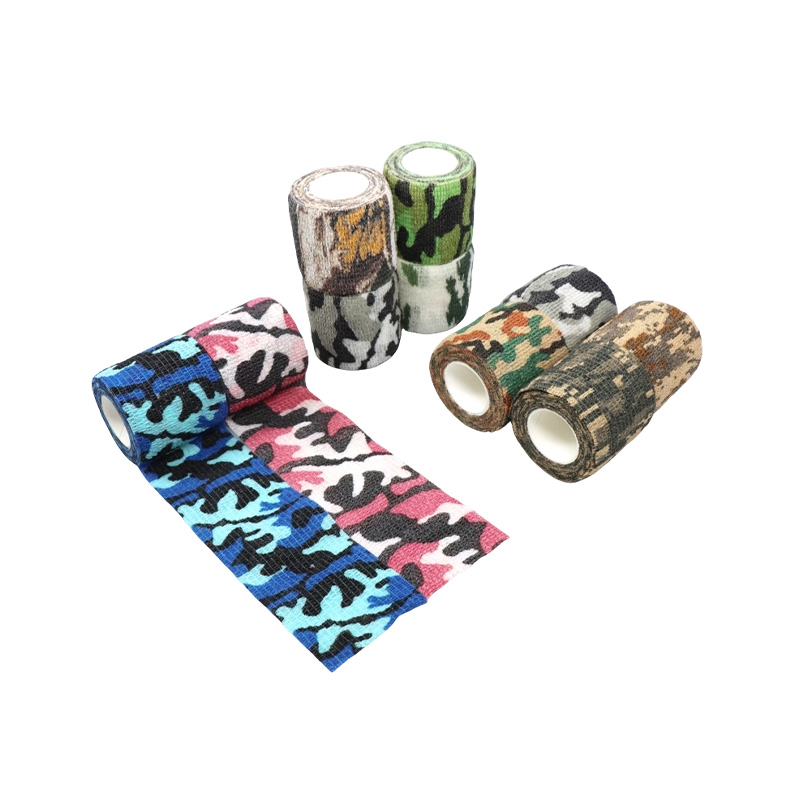
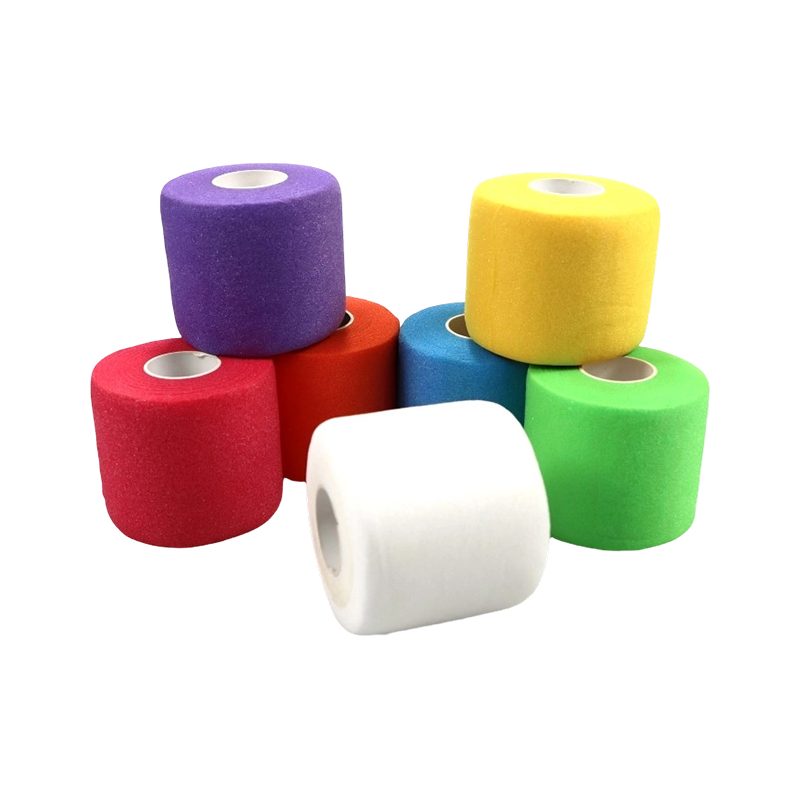
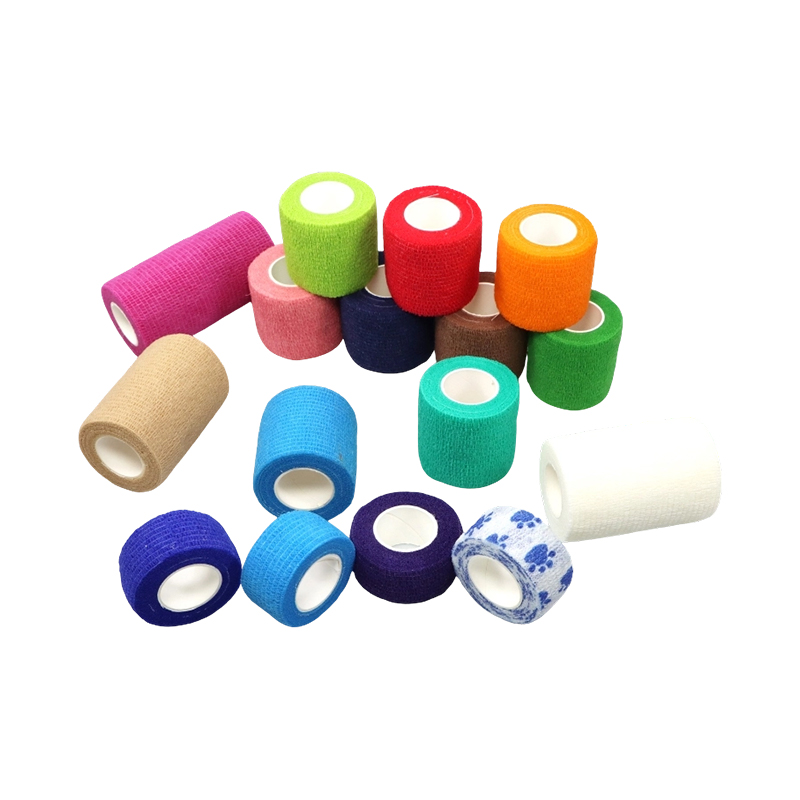
Los vendajes elásticos autoadhesivos son apósitos médicos autoadhesivos y elásticos que se utilizan principalmente para vendar y proteger heridas, promoviendo la cicatrización de heridas. Sus funciones principales incluyen asegurar y proteger heridas, prevenir la intrusión bacteriana y promover la cicatrización de heridas. Los vendajes elásticos autoadhesivos suelen estar hechos de materiales elásticos y adhesivos médicos de alta calidad. Por lo general, constan de una estructura de múltiples capas, que incluye una capa de apósito que entra en contacto con la herida, una capa elástica intermedia y una capa protectora exterior.
Shanghai Qinghong Healthcare Products Co., Ltd., ubicada en el distrito de Jiading, Shanghai, es un fabricante y proveedor líder especializado en vendajes elásticos y cintas deportivas de alta calidad. Jiangsu Qinghong Healthcare Products Co., Ltd., con sede en la ciudad de Suqian, provincia de Jiangsu, se ha comprometido a proporcionar vendajes autoadhesivos de alta calidad, cinta kinesiológica y cinta deportiva de algodón a clientes de todo el mundo desde su creación en 2018. Aprovechando sólidas capacidades de investigación y desarrollo, un estricto control de calidad y un servicio centrado en el cliente, nos hemos convertido en un socio confiable en la industria.
Empoderar a los atletas para que superen con confianza sus límites
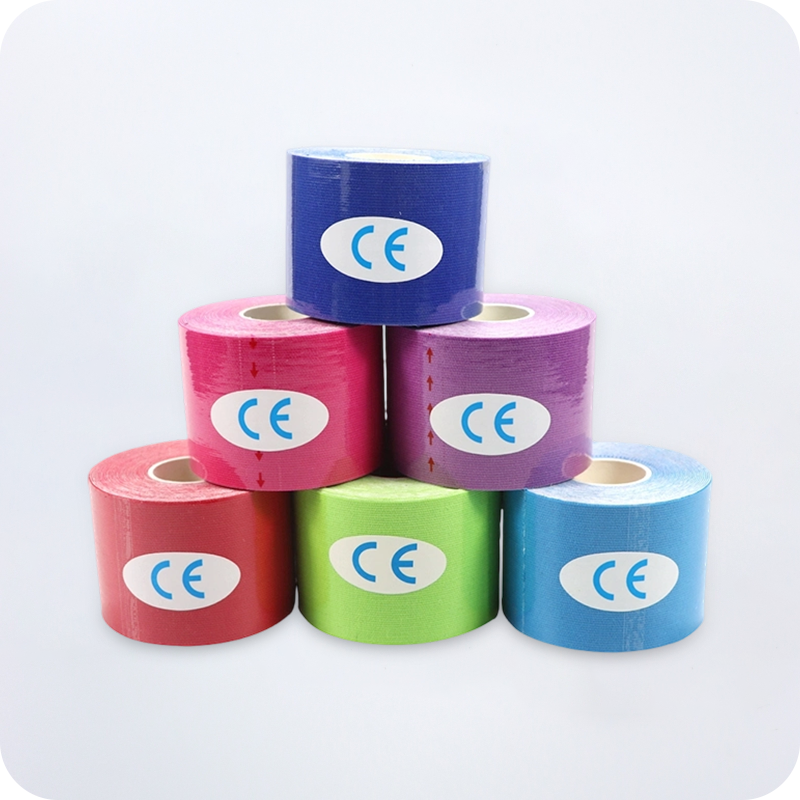
Nuestra cinta de kinesiología brinda soporte dinámico, lo que permite un movimiento libre sin restricciones y al mismo tiempo mejora eficazmente la función muscular y la circulación sanguínea. Nuestros vendajes deportivos, por otro lado, proporcionan una fijación confiable y estabilidad para las articulaciones durante actividades de alta intensidad, previniendo eficazmente esguinces y distensiones. Desde entusiastas del deporte hasta atletas profesionales, ofrecemos protección profesional confiable tanto para entrenamientos como para competiciones.
¡No dudes en contactarnos cuando nos necesites! Ya sea que quieras
convertirse en nuestro socio o necesitar nuestra orientación o apoyo profesional
En la selección de productos y resolución de problemas, nuestro equipo profesional es
Siempre dispuesto a ayudarte.
¿Qué es la cinta deportiva y cómo sostiene realmente el cuerpo de un atleta?
Entendiendo la cinta atlética más allá del vestuario
Pase por cualquier sala de entrenamiento, gimnasio o banca y probablemente verá tiras de cinta adhesiva enrolladas alrededor de un tobillo, muñeca u hombro. Esa visión familiar plantea una pregunta práctica para cualquiera que sea nuevo en la medicina deportiva: ¿qué hace realmente la cinta deportiva debajo de la piel y por qué los entrenadores y fisioterapeutas la tratan como una parte rutinaria de la preparación en lugar de una solución de emergencia?
La cinta deportiva es un material de soporte que se aplica directamente a la piel sobre las articulaciones, músculos o tendones. Está diseñado para restringir movimientos no deseados, agregar una compresión suave y brindar retroalimentación propioceptiva al sistema nervioso. A diferencia de un aparato ortopédico rígido, se mueve con el cuerpo y al mismo tiempo limita el movimiento en direcciones específicas. Este equilibrio entre apoyo y movilidad es la razón por la que la práctica sigue siendo una parte estándar de la preparación atlética durante décadas.
Instantánea rápida
Propósito principal: estabilización de las articulaciones, soporte muscular y reducción del riesgo de lesiones durante la actividad.
Usuarios comunes: deportistas, fisioterapeutas, bailarines, trabajadores manuales y pacientes de rehabilitación.
Sitios de aplicación típicos: tobillos, rodillas, hombros, muñecas y zona lumbar.
¿Cómo actúa realmente la cinta deportiva en el cuerpo?
Para comprender qué hace la cinta deportiva, es útil separar tres mecanismos que funcionan al mismo tiempo una vez que una tira se aplica correctamente.
Restricción mecánica: La cinta rígida limita hasta qué punto una articulación puede moverse en una dirección específica, lo que reduce la posibilidad de una extensión excesiva durante un giro o aterrizaje repentino.
Control de compresión e hinchazón: Una envoltura firme puede reducir levemente la hinchazón local después de una tensión menor al limitar la acumulación de líquido alrededor del tejido lesionado.
Retroalimentación propioceptiva: La piel contiene receptores sensoriales que detectan el estiramiento y la presión. La cinta estimula estos receptores, lo que recuerda al músculo que se active antes y ayuda al atleta a detectar la posición de las articulaciones con mayor precisión durante el movimiento rápido.
Las investigaciones resumidas por asociaciones de medicina deportiva señalan consistentemente este efecto propioceptivo como uno de los beneficios más mensurables, particularmente para tobillos con antecedentes de esguinces. Una articulación apoyada reacciona más rápido ante un aterrizaje incómodo porque el sistema nervioso recibe una señal de alerta temprana de la piel vendada.
Rígido versus elástico: dos herramientas diferentes para dos trabajos diferentes
No todas las cintas del mercado se comportan de la misma manera. Antes de elegir un producto como Cinta para flejes deportivos , ayuda a comprender la diferencia mecánica entre las dos categorías dominantes.
Característica
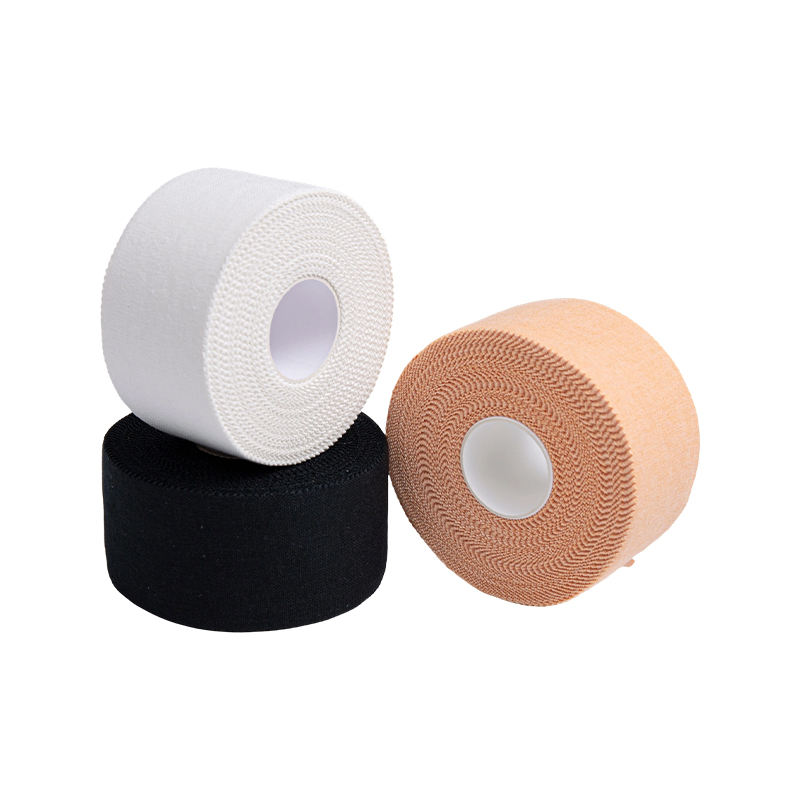
Cinta flejadora rígida
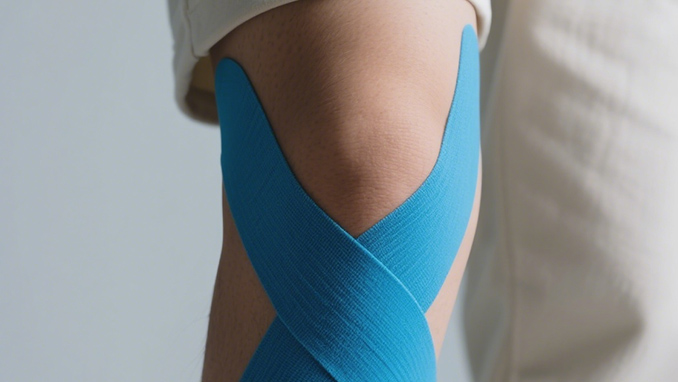
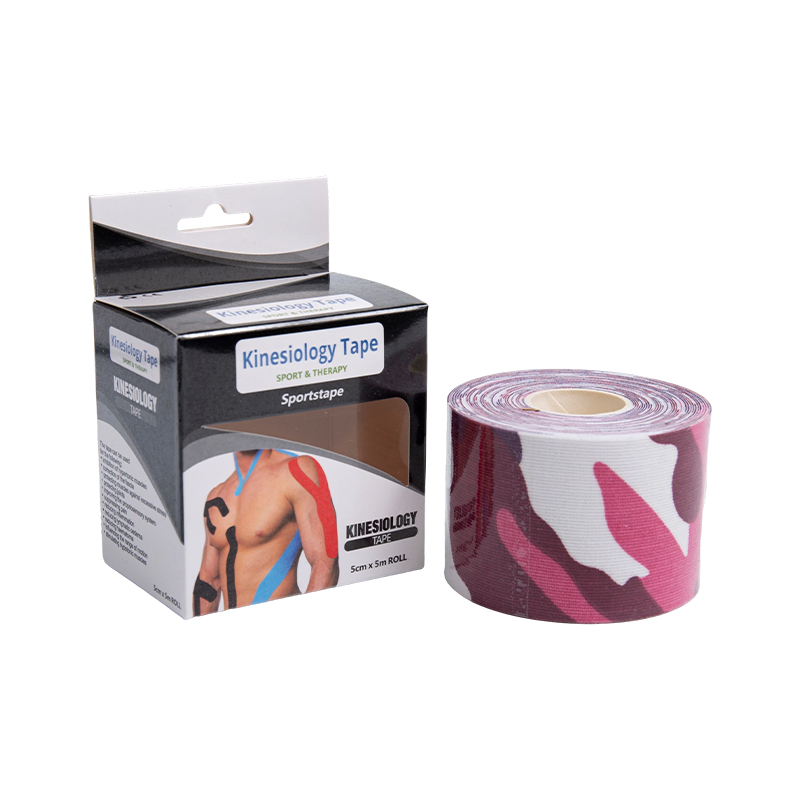
Cinta elástica de kinesiología
Estirar
Poco o nada
Alto, imita la elasticidad de la piel.
Objetivo principal
Restringir el movimiento articular
Apoyar el músculo sin bloquear el movimiento.
Uso típico
Esguinces agudos, estabilidad del tobillo.
Fatiga muscular, distensiones leves.
Duración del desgaste
Un entrenamiento o partido
Varios días
Sensación de la piel
Firme, estructurado
Ligero, transpirable
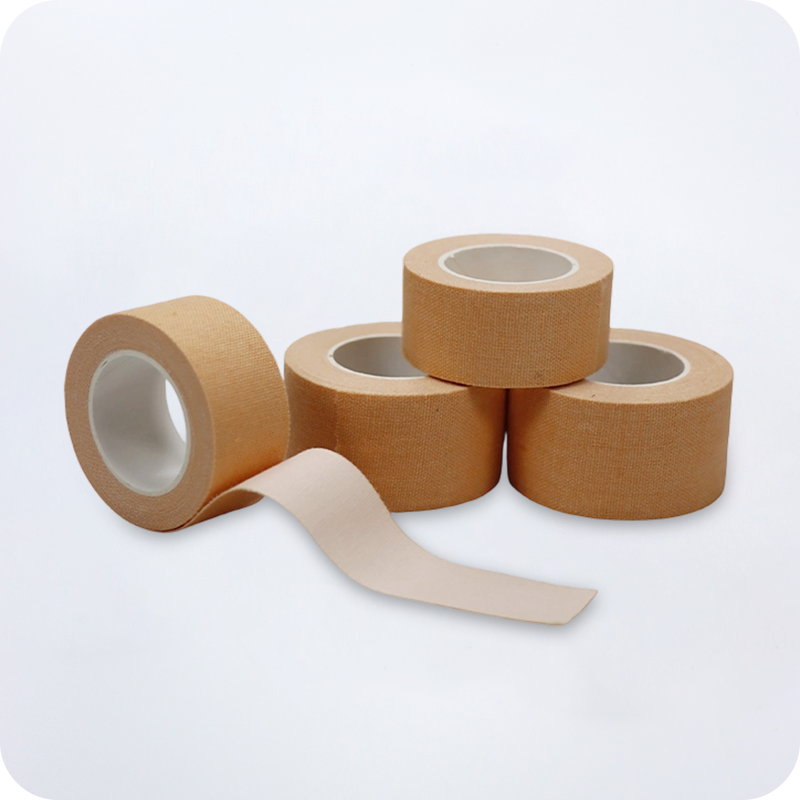
Elegir entre los dos tiene menos que ver con la marca y más con el objetivo. Si la prioridad es bloquear un rango de movimiento específico después de una lesión articular, rígido cinta atlética para lesiones es la opción estándar. Si el objetivo es un apoyo muscular suave durante los bloques de entrenamiento de varios días, generalmente se prefiere una opción elástica.
¿Con qué ayuda la cinta deportiva? Aplicaciones comunes
Los usos de la cinta deportiva se extienden mucho más allá de una torcedura de tobillo. A continuación se muestra un desglose de las situaciones en las que se aplica cinta adhesiva de forma rutinaria en salas de capacitación y clínicas.
Estabilidad del tobillo: La aplicación más común, utilizada tanto de forma preventiva antes de la actividad como de forma reactiva después de un esguince.
Hombro con cinta atlética: Apoya la cápsula articular durante deportes por encima de la cabeza como voleibol, natación y eventos de lanzamiento.
Soporte lumbar: La cinta atlética para el dolor de espalda se usa para reducir la flexión lumbar excesiva durante deportes que levantan mucho peso o hacen flexiones repetitivas.
Protección de muñeca y pulgar: Común en deportes de raqueta y deportes de combate donde la hiperextensión es un riesgo.
Seguimiento de rodilla: Ayuda a guiar el movimiento de la rótula en corredores que enfrentan problemas leves de seguimiento.
Los fisioterapeutas frecuentemente señalan que la venda es más efectiva como parte de un plan más amplio que incluye trabajo de fortalecimiento y movilidad, no como una solución independiente para el dolor crónico.
¿Cómo se coloca la cinta deportiva? Una descripción general paso a paso
La aplicación correcta es tan importante como la elección de la cinta. Una mala técnica puede reducir la circulación o no proporcionar ningún apoyo real. A continuación se muestra una secuencia general utilizada en la mayoría de los protocolos de grabación.
paso
acción
1
Limpiar y secar la piel; eliminar aceites y cabello si es necesario para la adhesión
2
Aplicar tiras de anclaje por encima y por debajo de la junta a soportar.
3
Agregue tiras de soporte en la dirección que limite el movimiento no deseado
4
Bloquear las tiras de soporte con tiras de cierre horizontales.
5
Verifique la circulación y el rango de movimiento antes de comenzar la actividad.
La preparación de la piel es a menudo el paso que más apresuran los atletas, pero determina cuánto tiempo la cinta resiste el sudor y el movimiento. Una superficie seca y sin aceite puede prolongar notablemente el tiempo de uso en comparación con la piel que no se ha limpiado.
Visualizando el proceso de grabación
El siguiente diagrama resume el flujo de aplicación general descrito anteriormente, desde la preparación de la piel hasta el control de circulación final.
¿Por qué tantos atletas usan cinta negra?
La cinta negra que usan los deportistas en la televisión es funcionalmente igual que cualquier otro color; la persiana en sí no tiene ningún beneficio mecánico. Los colores más oscuros son populares simplemente por razones prácticas: ocultan la suciedad y las manchas de césped durante los partidos largos, muestran un desgaste menos visible y, para algunos atletas, con el tiempo se han convertido en una opción estética personal o de equipo. Desde el punto de vista del soporte, el color no influye en la fuerza de adhesión, el estiramiento o qué tan bien la cinta restringe una unión.
Apoyo conjunto Prevención de lesiones propiocepción Compresión
Una breve nota sobre cuándo se inventó la cinta deportiva
Los métodos de correas adhesivas para soporte de las articulaciones se remontan a la medicina deportiva de principios del siglo XX, cuando los entrenadores comenzaron a experimentar con tiras adhesivas con respaldo de tela para tratar lesiones recurrentes de tobillo y muñeca en deportes de contacto. Durante las décadas siguientes, el material evolucionó desde un simple adhesivo de tela hasta las variantes rígidas y elásticas especializadas que se utilizan hoy en día, moldeadas por la retroalimentación continua de fisioterapeutas y entrenadores deportivos que trabajan directamente con atletas lesionados.
Preguntas frecuentes
P1: ¿Para qué se utiliza la cinta deportiva?
Se utiliza para apoyar las articulaciones y los músculos, restringir los movimientos no deseados después de una lesión y proporcionar retroalimentación sensorial que puede mejorar el equilibrio y el tiempo de reacción durante la actividad.
P2: ¿La cinta deportiva realmente previene las lesiones?
Puede reducir el riesgo de volver a lesionarse en articulaciones con antecedentes de esguinces al limitar los rangos de movimiento extremos, aunque no reemplaza el entrenamiento adecuado de fuerza y movilidad.
P3: ¿Cuánto tiempo se puede usar la cinta deportiva?
La cinta adhesiva rígida generalmente se aplica para una sola sesión de entrenamiento o partido, mientras que la cinta elástica de kinesiología a menudo se puede usar durante varios días dependiendo de la sensibilidad de la piel y la calidad de la adhesión.
P4: ¿La cinta deportiva es segura para pieles sensibles?
La mayoría de las personas lo toleran bien, pero la preparación adecuada de la piel y los descansos periódicos para la eliminación ayudan a reducir la irritación en las personas con piel sensible.
P5: ¿Puede la cinta deportiva ayudar con el dolor de espalda?
Sí, las técnicas de vendaje aplicadas en la parte baja de la espalda pueden reducir el movimiento excesivo durante las flexiones o levantamientos repetitivos, razón por la cual la cinta deportiva para el dolor de espalda es común en los deportes de fuerza y de campo.






 English
  русский
  Français
  Español
  عربى
عربى 

 ES
ES