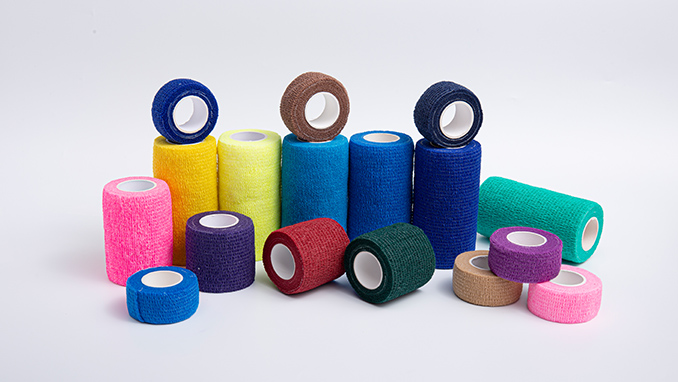
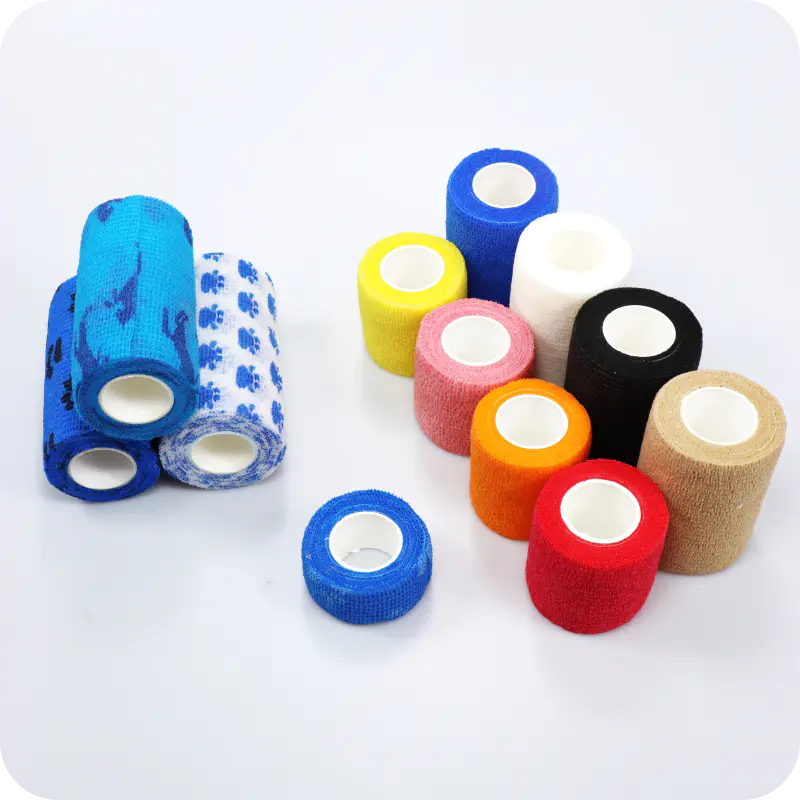
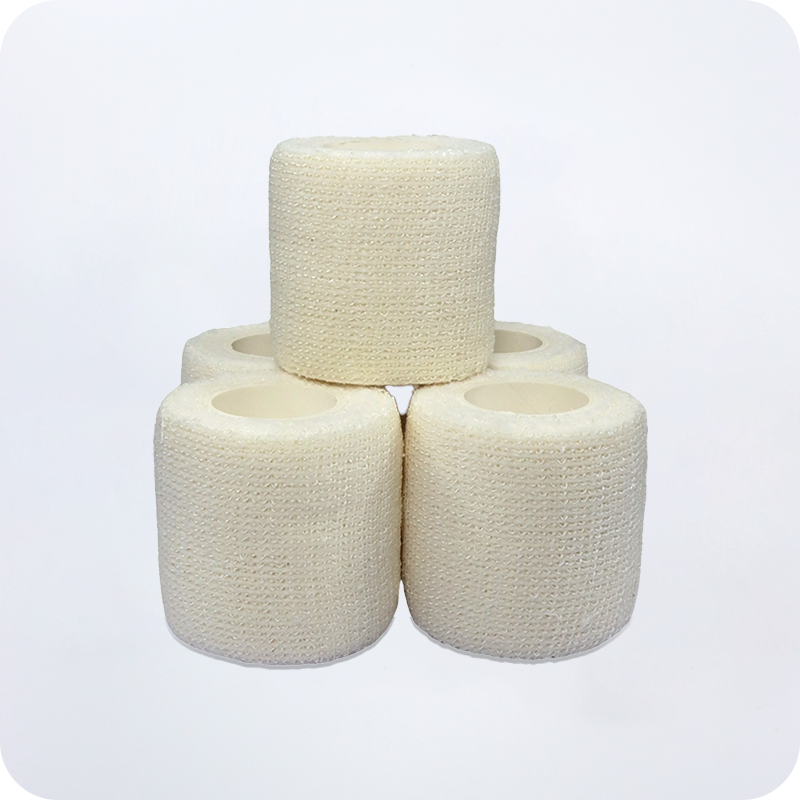
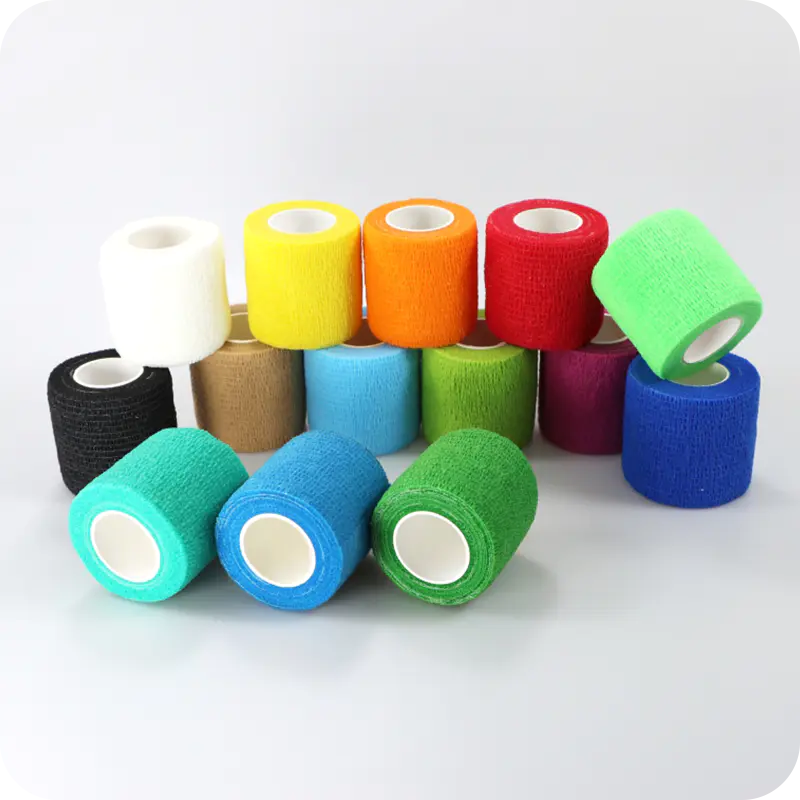
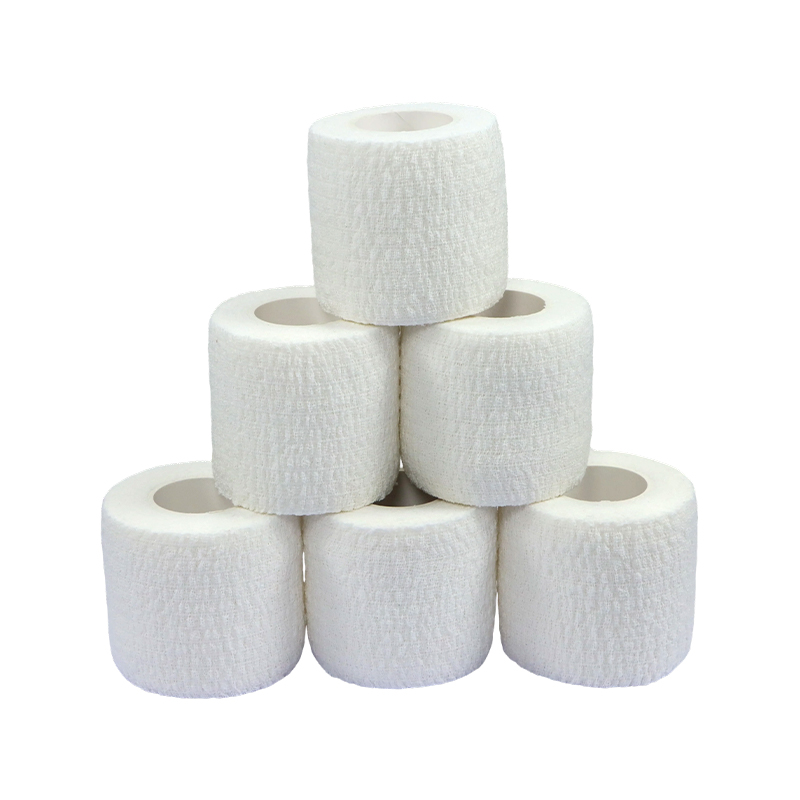
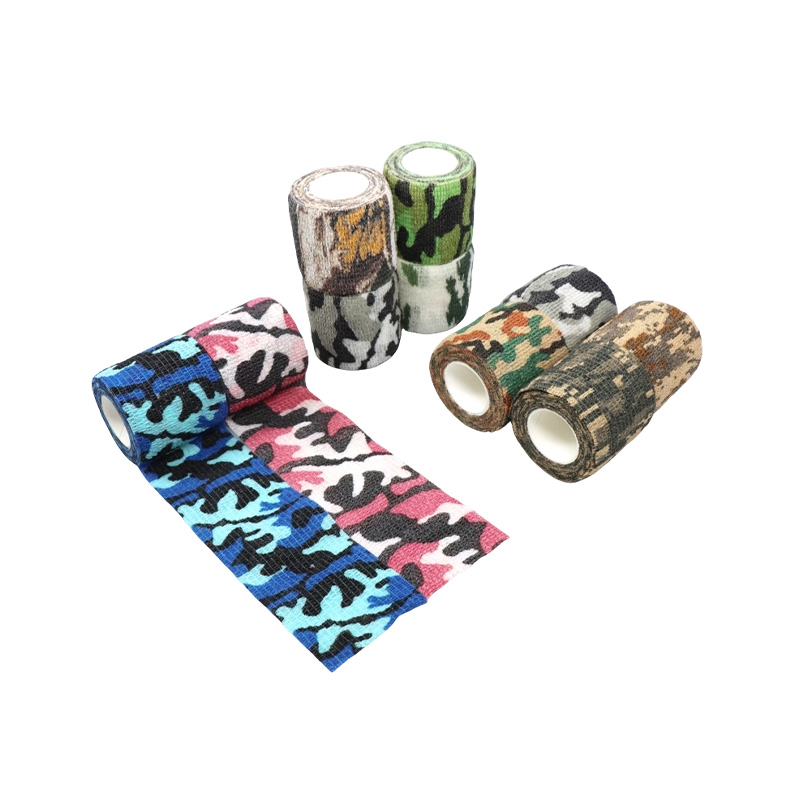
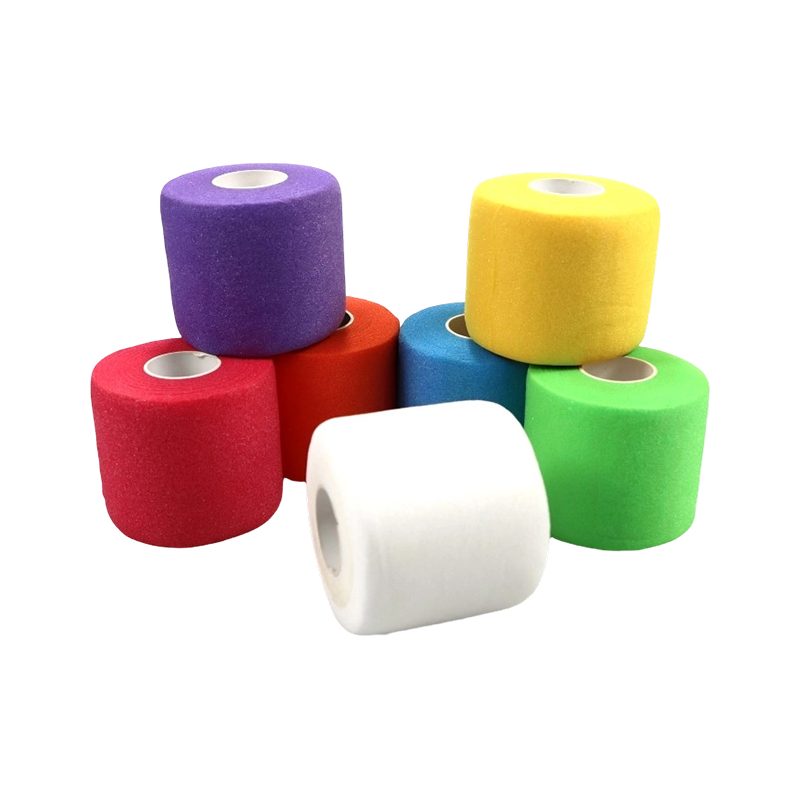
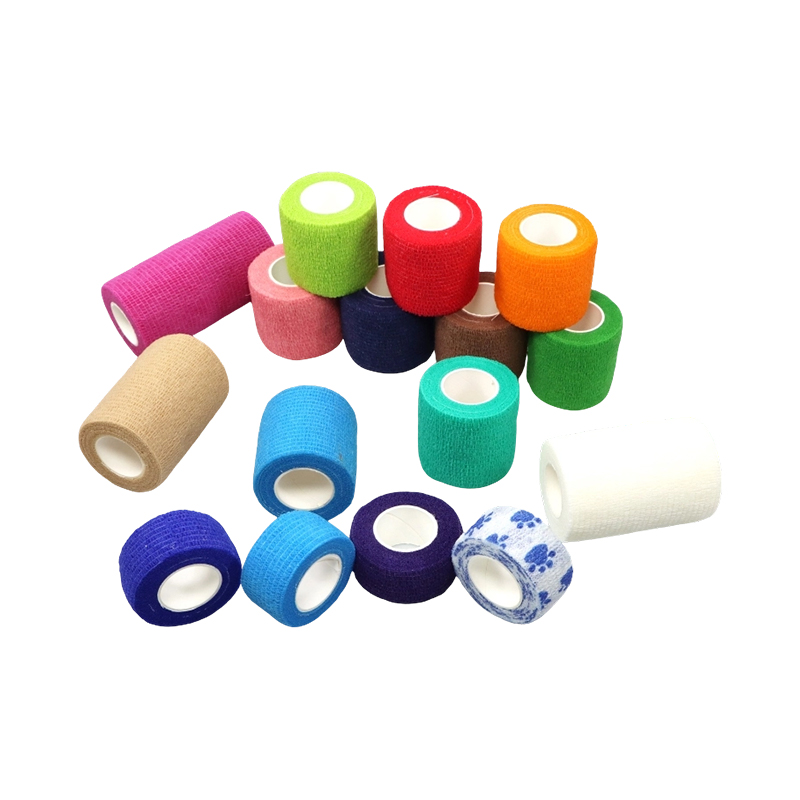
Los vendajes elásticos autoadhesivos son apósitos médicos autoadhesivos y elásticos que se utilizan principalmente para vendar y proteger heridas, promoviendo la cicatrización de heridas. Sus funciones principales incluyen asegurar y proteger heridas, prevenir la intrusión bacteriana y promover la cicatrización de heridas. Los vendajes elásticos autoadhesivos suelen estar hechos de materiales elásticos y adhesivos médicos de alta calidad. Por lo general, constan de una estructura de múltiples capas, que incluye una capa de apósito que entra en contacto con la herida, una capa elástica intermedia y una capa protectora exterior.
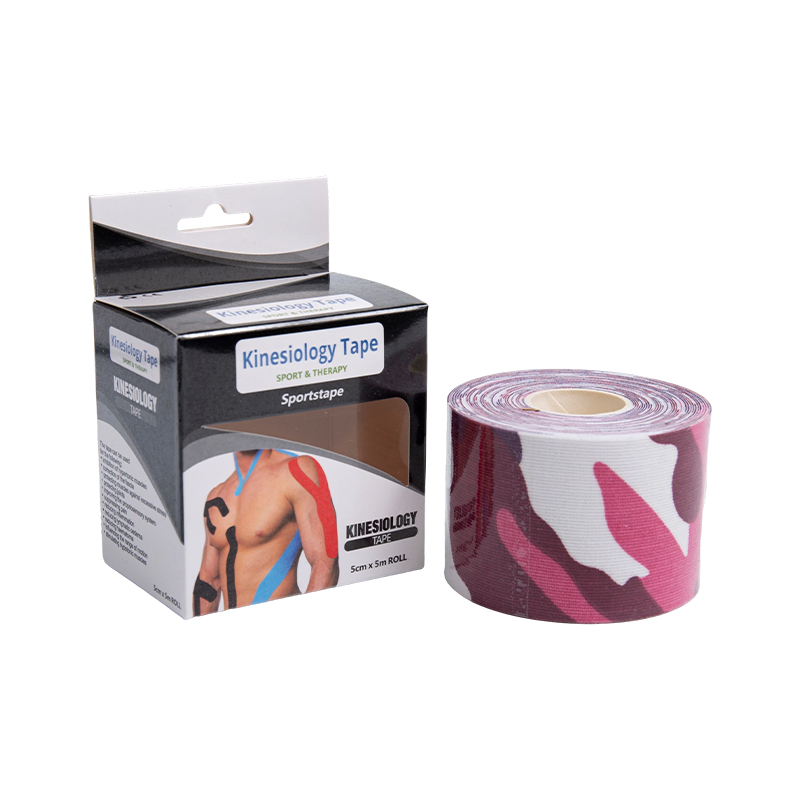
Shanghai Qinghong Healthcare Products Co., Ltd., ubicada en el distrito de Jiading, Shanghai, es un fabricante y proveedor líder especializado en vendajes elásticos y cintas deportivas de alta calidad. Jiangsu Qinghong Healthcare Products Co., Ltd., con sede en la ciudad de Suqian, provincia de Jiangsu, se ha comprometido a proporcionar vendajes autoadhesivos de alta calidad, cinta kinesiológica y cinta deportiva de algodón a clientes de todo el mundo desde su creación en 2018. Aprovechando sólidas capacidades de investigación y desarrollo, un estricto control de calidad y un servicio centrado en el cliente, nos hemos convertido en un socio confiable en la industria.
Empoderar a los atletas para que superen con confianza sus límites
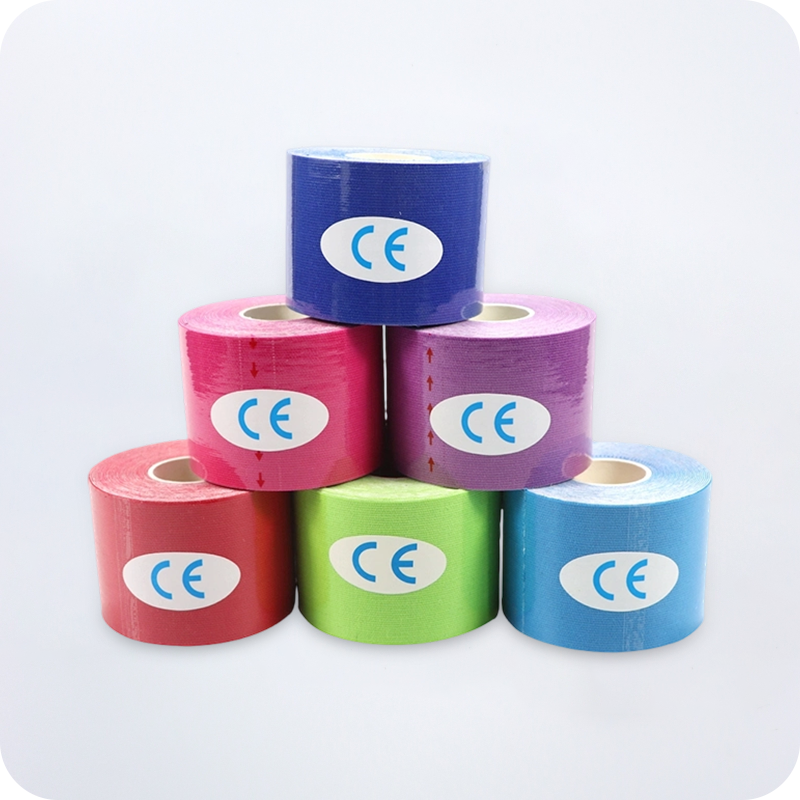
Nuestra cinta de kinesiología brinda soporte dinámico, lo que permite un movimiento libre sin restricciones y al mismo tiempo mejora eficazmente la función muscular y la circulación sanguínea. Nuestros vendajes deportivos, por otro lado, proporcionan una fijación confiable y estabilidad para las articulaciones durante actividades de alta intensidad, previniendo eficazmente esguinces y distensiones. Desde entusiastas del deporte hasta atletas profesionales, ofrecemos protección profesional confiable tanto para entrenamientos como para competiciones.
¡No dudes en contactarnos cuando nos necesites! Ya sea que quieras
convertirse en nuestro socio o necesitar nuestra orientación o apoyo profesional
En la selección de productos y resolución de problemas, nuestro equipo profesional es
Siempre dispuesto a ayudarte.
Cómo vendar los dedos para BJJ y Jiu-Jitsu: una guía completa para la prevención de lesiones
El Jiu-Jitsu brasileño (BJJ) y el Jiu-Jitsu imponen exigencias extremas a los dedos. El agarre repetitivo del gi, los tirones repentinos y los agarres defensivos exponen las articulaciones de los dedos a esguinces, daños en los ligamentos y artritis a largo plazo. El vendaje adecuado no es sólo una medida de apoyo: es la piedra angular de la prevención de lesiones para los luchadores. Esta guía ofrece un enfoque técnico paso a paso para vendar los dedos para BJJ, materiales de cobertura, técnicas y métodos avanzados de vendaje para mantener sus manos seguras sobre las colchonetas.
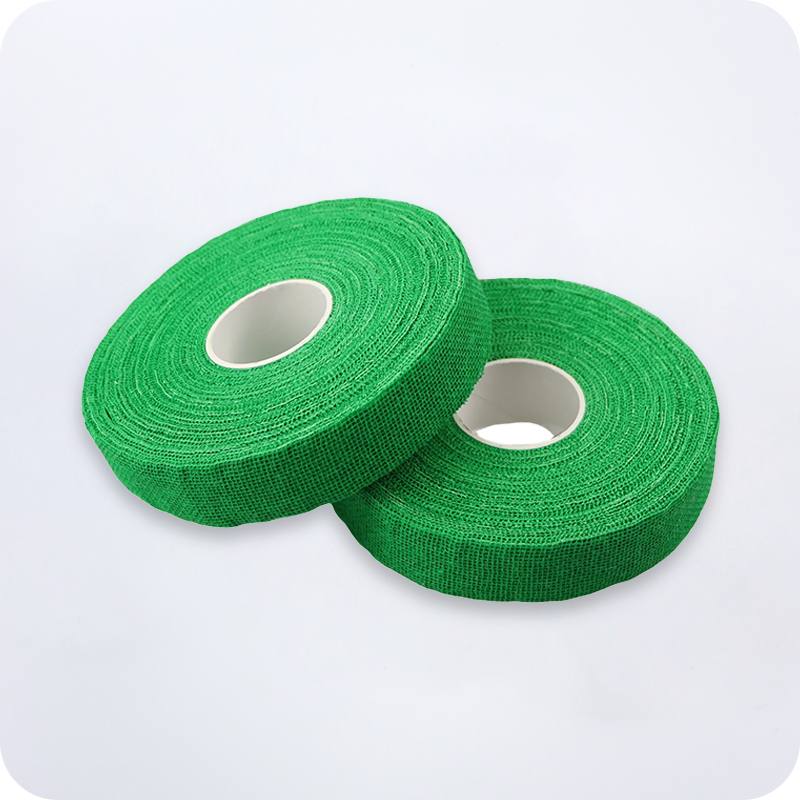
Usando alta calidad Vendaje de protección para los dedos y especializado cinta de dedo bjj puede reducir significativamente el riesgo de esguinces agudos y daño articular crónico. A continuación encontrará de todo, desde el método Buddy Tape hasta el método X-Wrap, respaldado por ejemplos y datos prácticos.
Por qué los atletas de BJJ son propensos a sufrir lesiones en los dedos
La naturaleza de agarre del BJJ tensiona repetidamente las articulaciones interfalángicas proximales (PIP) y metacarpofalángicas (MCP). Una encuesta de 2019 a 482 luchadores encontró que el 63% reportaba dolor crónico en los dedos y el 41% había experimentado al menos un esguince agudo que requirió tiempo libre de entrenamiento. Las lesiones de los ligamentos colaterales, a menudo llamadas “dedos atascados”, son las más comunes, seguidas de las distensiones del tendón flexor y la capsulitis.
dedos bjj soportar fuerzas que exceden con creces las actividades diarias normales. Cuando agarras la solapa de un gi con el puño cerrado, los dedos están sujetos tanto a compresión como a cizallamiento lateral. Con el tiempo, los microtraumatismos repetitivos provocan osteofitos (espolones óseos) y una reducción del rango de movimiento, comúnmente conocidos como "nudillos de BJJ". La cinta proporciona soporte externo, lo que limita la extensión excesiva y el movimiento de lado a lado sin sacrificar la fuerza de agarre necesaria para estrangulaciones y barridos.
63%
de los luchadores reportan dolor crónico en los dedos
41%
ha sufrido un esguince agudo en el dedo
Materiales esenciales y características de la cinta
No todas las cintas sirven para luchar. el ideal cinta para dedos de jiu jitsu debe ser transpirable, ofrecer una alta resistencia a la tracción y permanecer adherido a través del sudor y la fricción. A continuación se muestra una comparación de los tipos de cintas más comunes utilizados en BJJ.
Tipo de cinta
Ancho
Elasticidad
Mejor para
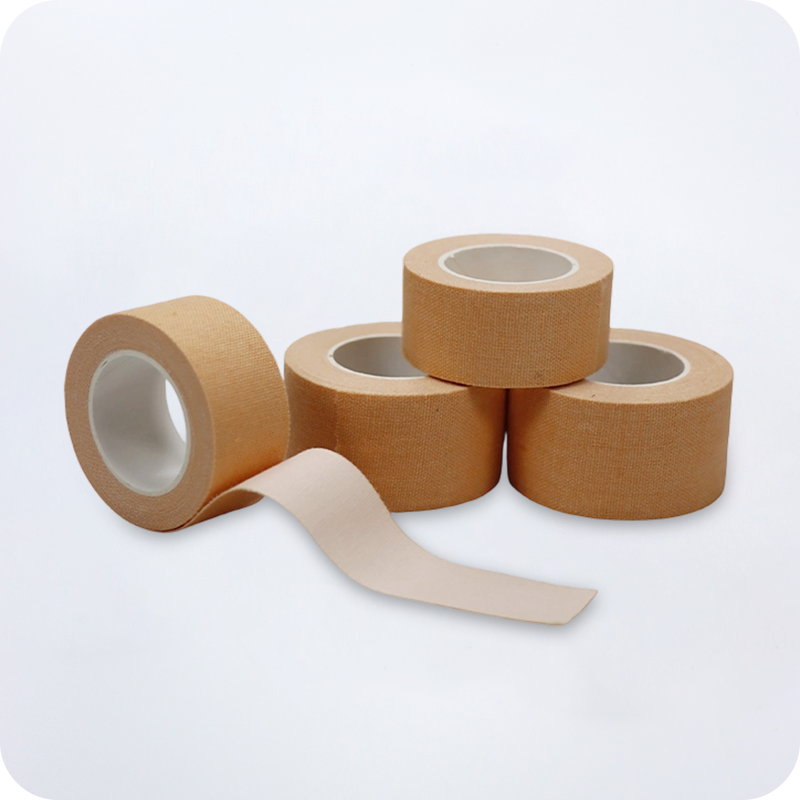
Cinta deportiva de algodón.
1,25 cm (0,5")
No elástico
Cinta de compañero estable, soporte rígido
Cinta de óxido de zinc
1,9 cm (0,75 pulgadas)
Bajo elástico
X-wrap, articulaciones de los dedos
Vendaje adhesivo elástico
2,5 cm (1")
Moderado (30% de estiramiento)
Control de compresión e hinchazón.
prima cinta de jiu-jitsu
1,25-1,9 cm
Ninguno / bajo
Cinta BJJ multiusos
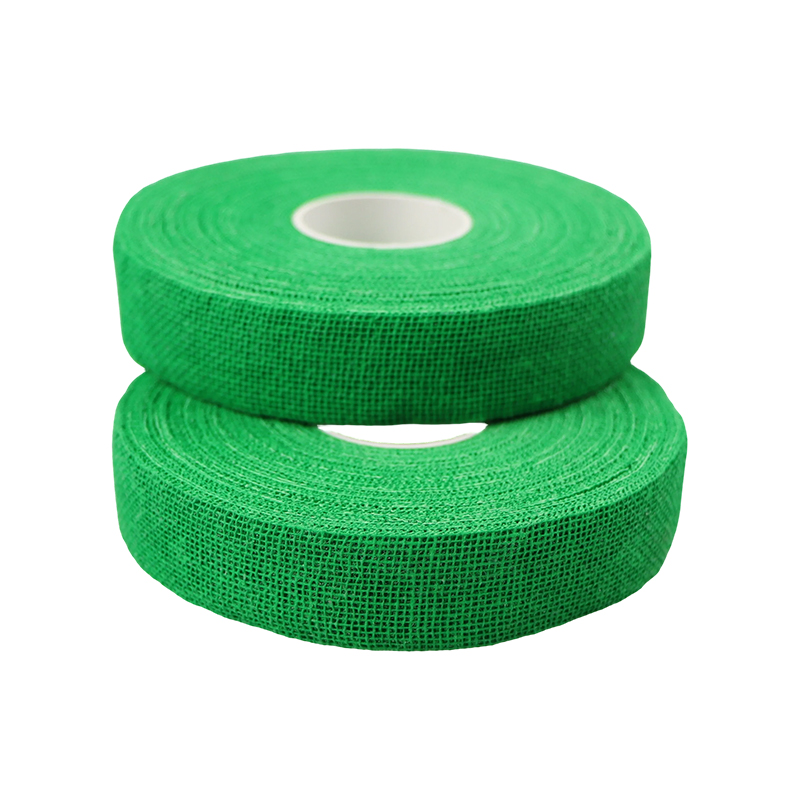
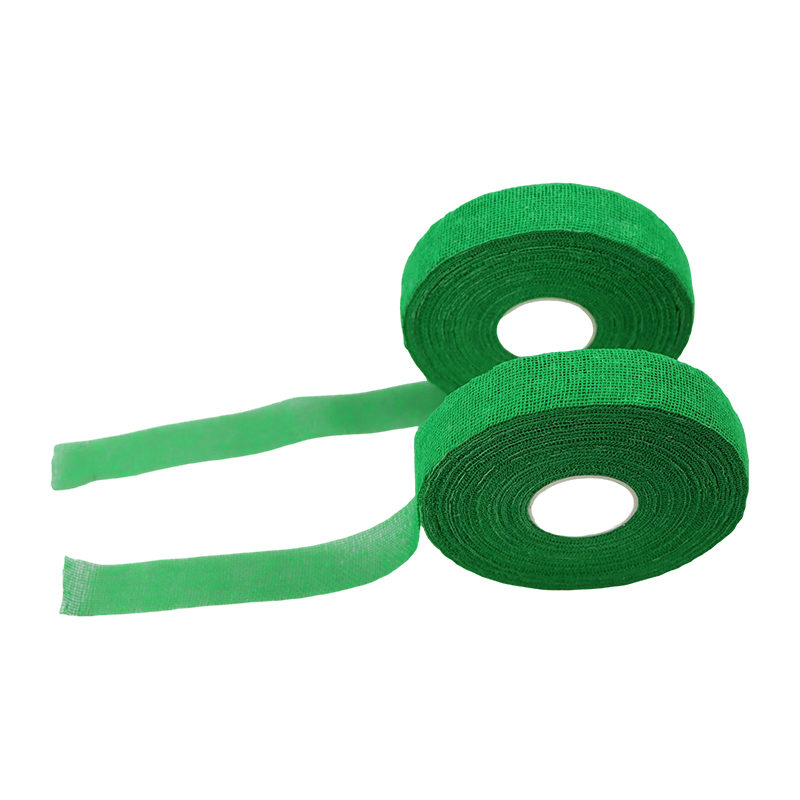
Muchos luchadores experimentados prefieren cinta de mono bjj productos de estilo porque ofrecen un acabado mate que no se desliza cuando está mojado. Sin embargo, cualquier cinta de algodón o rayón de alta calidad con adhesivo agresivo de óxido de zinc funcionará. Evite las cintas plásticas: provocan maceración de la piel y faltan transpirabilidad.
Técnicas de grabación: de básicas a avanzadas
El X-Wrap (Cross-Taping) para soporte de un solo dedo
El método X-wrap refuerza la articulación IFP preservando la flexión. Es ideal para cómo vendar los dedos bjj cuando sienta dolor general en las articulaciones o desee prevenir la hiperextensión.
Cortar una tira de 15‑20 cm de cinta de dedo bjj . Rasgue el último cm a lo largo para crear una cola dividida.
Envuelva la cola alrededor de la base del dedo (falange proximal) dos veces, asegurando el ancla.
Pase la cinta en diagonal a través de la junta PIP, luego alrededor del dedo en la dirección opuesta, formando una "X" sobre la junta.
Termine con una envoltura circular completa justo debajo de la uña (falange distal) y luego regrese a la base, superponiendo el ancla.
Asegúrese de que la tensión sea firme pero no restrictiva. El dedo aún debería poder cerrar el puño sin apretar.
Buddy Taping para estabilidad de lado a lado
Amigo grabando los dedos es el estándar de oro para el esguince de ligamentos colaterales. Al pegar con cinta adhesiva un dedo lesionado a uno sano adyacente, se limita el movimiento lateral y se permite la flexión. Para BJJ, esta técnica también distribuye las fuerzas de agarre entre dos dedos.
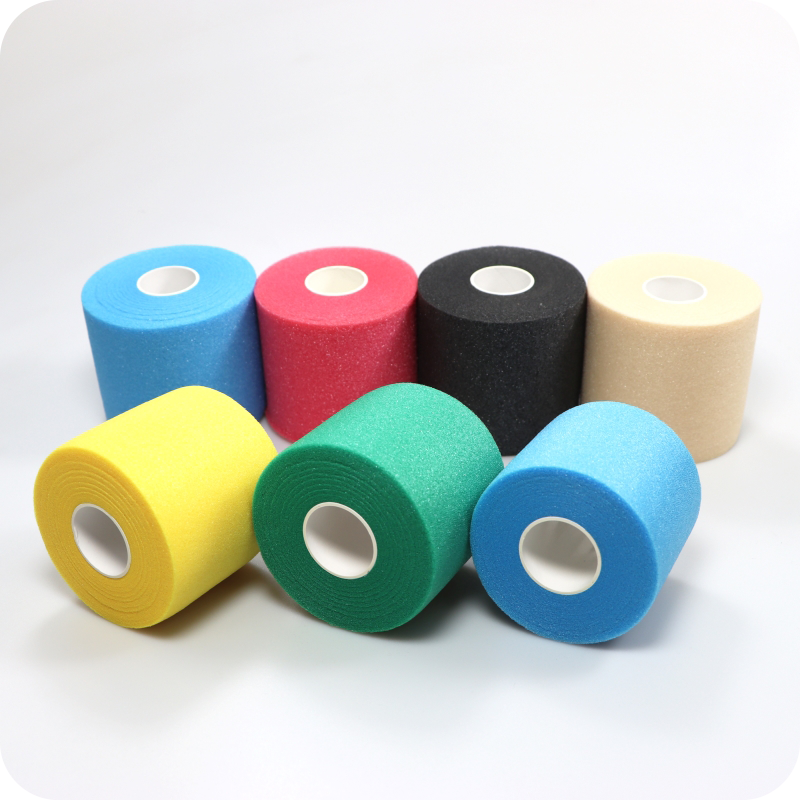
Utilice 1,25 cm bjj grabando los dedos cinta. Colocar un pequeño trozo de gasa o espuma entre los dedos para evitar la maceración de la piel.
Aplique una envoltura de anclaje justo debajo de la falange proximal de ambos dedos (la más cercana a la palma).
Aplique una segunda envoltura de anclaje justo debajo de las articulaciones interfalángicas distales (cerca de la yema del dedo).
Agregue un bucle en forma de ocho alrededor de ambos dedos para mayor estabilidad si es necesario.
Un estudio de medicina deportiva de 2022 demostró que la cinta adhesiva reduce la desviación lateral en un 47 % sin limitar la fuerza de agarre en más del 12 %, lo que la hace muy eficaz para los luchadores que regresan de esguinces leves.
Tejido de cesta con dedos completos para la inestabilidad crónica
Para los atletas con hipermovilidad preexistente o “nudillos de BJJ” crónicos, un patrón de tejido de canasta ofrece una protección superior. Este método integra el X-wrap con anclajes proximales y distales, creando una funda semirrígida. Se recomienda sólo para competición o sesiones de entrenamiento duro porque reduce ligeramente la retroalimentación táctil.
Cómo aplicar cinta para dedos BJJ – Paso a paso
A continuación se muestra un protocolo universal que funciona para la mayoría de los estilos de cinta. Aplique siempre la cinta sobre la piel limpia, seca y sin vello (o utilice una envoltura fina para pieles sensibles).
1. Rasgue la cinta sin usar tijeras (crea un borde limpio y microdentado que se pega mejor).
2. Comience con un ancla circular completa justo debajo de la uña; no cubra el lecho ungueal.
3. Superponga cada capa al 50 % del ancho de la cinta para evitar espacios que acumulen el sudor.
4. Para proteger las articulaciones, mantenga el dedo ligeramente flexionado (15 a 20 grados) mientras lo aplica.
5. Después de grabar, cierre el puño y abra la mano por completo. La cinta no debe causar entumecimiento ni decoloración.
Ejemplo de la vida real: un cinturón morado con esguinces recurrentes en el dedo índice cambió de cinta adhesiva de compañero únicamente a una envoltura en X reforzada con un anclaje distal. Durante 8 semanas de entrenamiento (4 sesiones/semana), informó cero nuevas lesiones agudas y una reducción del 70 % en el dolor post-entrenamiento, medido en una escala analógica visual.
Fleje avanzado para dedos lesionados
Cuando regresa de un esguince del ligamento colateral de grado I o II, es posible que el vendaje estándar no sea suficiente. Utilice una técnica híbrida:
Anclaje rígido en la base con cinta no elástica de óxido de zinc.
Almohadilla de herradura (un trozo de cinta doblada que se coloca sobre el lado sensible de la articulación) para crear presión localizada y evitar la apertura lateral completa.
Tiras circunferenciales superpuestas desde la falange media hasta la cabeza del metacarpiano, formando una semimolde.
esto protección para los dedos Los competidores profesionales suelen utilizar la configuración durante las últimas semanas antes de un torneo. Sin embargo, se debe retirar inmediatamente después del entrenamiento para permitir la movilidad articular y la recuperación de la piel.
Prevención de esguinces y salud de las articulaciones a largo plazo
Si bien la venda es excelente para una protección aguda, no sustituye el trabajo de fuerza y movilidad. Incorpore los siguientes ejercicios a su rutina para reducir la dependencia de la cinta:
Entrenamiento con cubo de arroz – abre y cierra la mano contra resistencia durante 2 minutos diarios.
Extensiones de dedos con banda elástica – fortalecer los músculos intrínsecos que se oponen al agarre.
Flexiones de muñeca y flexiones de muñeca inversas – mejorar la resistencia general del antebrazo.
Los datos de una intervención de 12 semanas con 34 atletas de BJJ mostraron que agregar ejercicios de extensión de dedos redujo la incidencia de prevenir esguinces de dedos en BJJ en un 52% en comparación con un grupo de control que solo grabó. Cinta más acondicionamiento es la estrategia óptima.
Conclusión clave: la cinta sostiene pasivamente las articulaciones, pero el fortalecimiento activo crea resiliencia a largo plazo. Utilice ambos.
Errores comunes al grabar y cómo evitarlos
Error 1: Colocar el dedo completamente recto → pérdida de agarre funcional. Solución: aplique la cinta con el dedo en una posición natural semiflexionada (el ángulo "gi-grip").
Error 2: Usar cinta demasiado ancha (por ejemplo, 2,5 cm en el dedo meñique) → amontonamiento e irritación de la piel. Fijación: 1,25 cm para los dedos 2 a 4, 1,9 cm para el pulgar.
Error 3: Reutilizar la cinta o dejarla puesta durante >3 horas → crecimiento bacteriano y adhesión debilitada. Solución: aplique siempre cinta nueva antes de cada sesión de entrenamiento.
Error 4: Ignorar los signos de entumecimiento o frío → compresión excesiva. Solución: vuelva a pegar con menos tensión.
Preguntas frecuentes (FAQ)
P1: ¿Con qué frecuencia debo reemplazar la cinta para los dedos durante el entrenamiento?
Reemplace la cinta cada 2 a 3 horas de entrenamiento continuo o inmediatamente si se suelta, se moja o se deshilacha. Nunca reutilice la cinta: las bacterias de los tapetes pueden causar infecciones en la piel.
P2: ¿Puedo usar cinta deportiva normal de farmacia para BJJ?
Sí, pero busque cinta de óxido de zinc no elástica y de algodón. Evite los vendajes “cohesivos” de plástico o elásticos: se mueven con la fricción. el mejor cinta para dedos de artes marciales Tiene un fuerte adhesivo y tejido transpirable.
P3: ¿La cinta adhesiva reducirá mi fuerza de agarre?
El vendaje adecuado no debería reducir el agarre funcional. Una cinta demasiado apretada puede limitar la flexión, pero una cinta X‑wrap o una cinta Buddy aplicadas correctamente conservan entre el 90 % y el 95 % de la fuerza máxima de agarre. Un estudio de 2021 no encontró diferencias significativas en la fuerza del gi-pull entre los dedos vendados y no vendados.
P4: ¿Cuál es la mejor manera de quitar la cinta sin dañar la piel?
Use unas tijeras pequeñas y afiladas para cortar la cinta a lo largo del costado del dedo y luego despegue desde la uña hacia la palma. Aplique aceite mineral o aceite para bebés al borde adhesivo para aflojarlo si es necesario.
P5: ¿Puedo vendar varios dedos de una mano?
Absolutamente. Muchos jugadores de BJJ se tapan los dedos medio y anular de ambas manos porque estos dedos soportan la mayor carga durante los agarres del cuello y las mangas. Sólo tenga en cuenta la movilidad total de la mano; Si venda más de tres dedos, puede perder destreza para agarres complejos.
P6: ¿Es necesario grabar con cinta adhesiva para el entrenamiento sin gi?
El no-gi reduce el traumatismo en los dedos porque no hay tela para agarrar, pero los agarres inesperados de las muñecas y las peleas con las manos aún pueden causar esguinces. Muchos atletas prefieren más ligeros. cinta de dedo bjj o solo cinta adhesiva para dedos previamente lesionados durante sesiones de no-gi.
Conclusión: haga de la grabación un hábito, no una ocurrencia tardía
Aprendizaje cómo vendar los dedos bjj correctamente requiere práctica, pero la inversión se amortiza en años de capacitación sin dolor. Ya sea que utilice una simple envoltura en X, una cinta de compañero o un vendaje avanzado, el objetivo es respaldar la biomecánica natural de los dedos sin restringir el movimiento esencial. Combine la venda con fortalecimiento exclusivo de las manos y escuche las primeras señales de advertencia: dolor, chasquido o hinchazón. Para una protección confiable, elija siempre un equipo dedicado vendaje de protección para los dedos y siga las técnicas descritas anteriormente. Tus dedos son tu herramienta más importante sobre las colchonetas; protégelos como los valiosos instrumentos que son.






 English
  русский
  Français
  Español
  عربى
عربى 

 ES
ES